





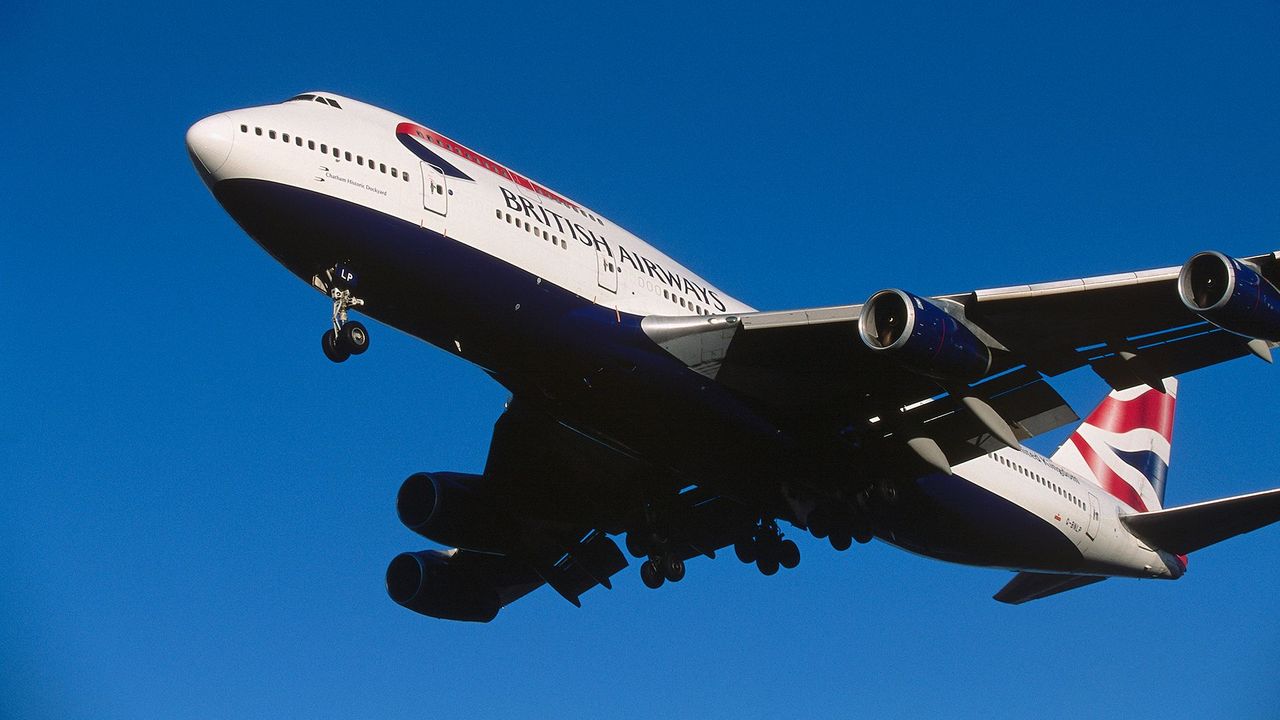
The story people tell about the 747’s upper deck is usually the same one. Boeing built a cargo door into the nose, the cockpit had nowhere to go but up, and the hump followed. It’s not wrong exactly. It’s just missing the part that actually explains why any of it happened in the first place.
The Contract Boeing Didn’t Win
In the mid-1960s, the United States Air Force went looking for a heavy airlifter that could move outsized cargo across continents without stopping. The competition was called CX-HLS, and it was the kind of contract that reshapes a company. Boeing built a serious proposal around a massive, high-wing freighter with a cavernous fuselage and a nose that opened like a drawbridge. Lockheed won it. The result became the C-5 Galaxy, and Boeing walked away with nothing but the engineering.
That’s the part usually left out. Boeing didn’t lose interest in wide-body cargo design when it lost the contract. It lost the payoff, not the expertise. Juan Trippe at Pan Am was already pushing Boeing toward something enormous for passenger routes, and Boeing’s engineers carried the CX-HLS thinking straight into that new project. The 747 didn’t start as an icon. It started as a consolation prize looking for a purpose.
A Nose Built to Open
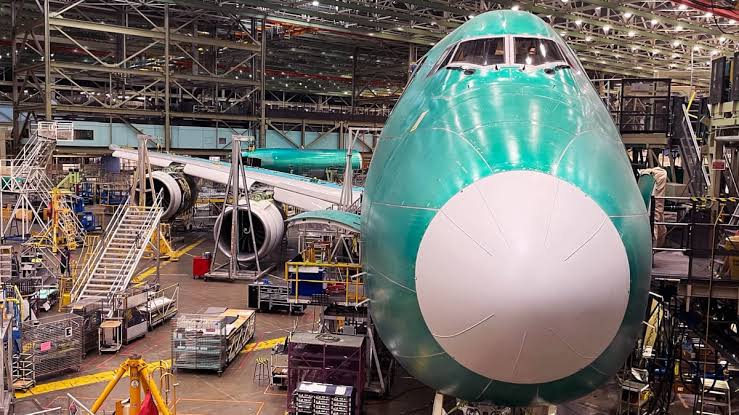
Trippe wanted a plane that could scale with demand, and Boeing’s own market research reinforced something the CX-HLS work had already suggested: cargo, not passengers, might end up being the 747’s long-term future. Nobody was confident that a subsonic passenger jet this large would stay profitable for decades. So the design carried a hedge inside it. A hinged nose, capable of swinging open for freight loading, straight off the airlifter logic Boeing had just spent years refining for the Air Force.
A hinged nose sounds like a minor detail until it collides with everything else on the airplane. Put a door there and the cockpit can’t sit where cockpits normally sit, low and centered on the main deck, directly in the path of anything rolling in through that opening. The nose had to be clear. The cockpit had to move.
Designing for a Jet That Wasn’t Supposed to Last
That decision only makes sense inside the assumptions Boeing and its customers were making at the time. The Concorde program was flying, the American SST project still had momentum, and the entire industry believed supersonic travel would take over long-haul passenger routes within a decade or two. Subsonic jets, even something as ambitious as the 747, were expected to age out of passenger service fast.
The 747 wasn’t built to be recognized. It was built to hedge a bet Boeing was sure it would lose.
Under that expectation, building the 747 with an eye toward cargo conversion wasn’t caution. It was the more rational read of where the business was heading. Passengers would move to something faster, and the airframe needed a second life already built in. The upper deck wasn’t a flourish. It was an exit ramp for a jet nobody expected to matter as a passenger plane for very long.
The Aerodynamic Bet Nobody Was Sure About
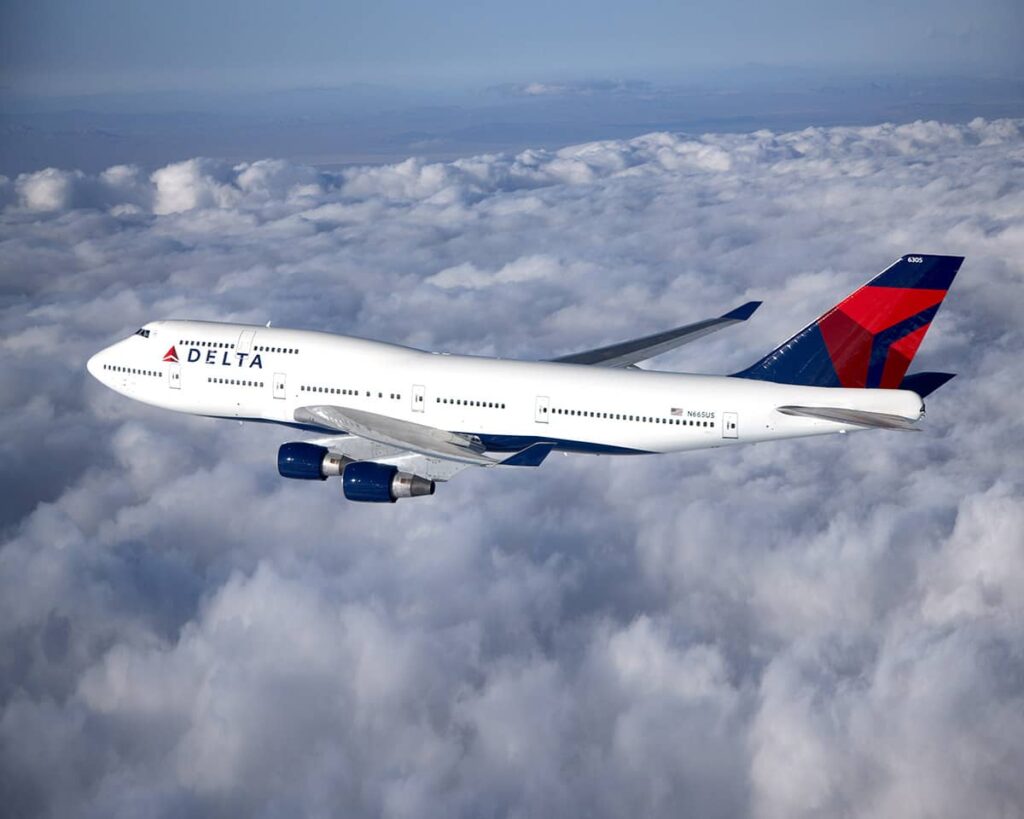
Raising the cockpit above the main deck solved the nose problem, but it created a new one. A hump on top of a fuselage this size adds drag, and in the mid-1960s nobody had built anything at this scale to know exactly how much. Boeing’s engineers had to shape that upper section carefully enough to blend it into the fuselage rather than let it sit as a separate box bolted to the top, because a poorly faired hump would have punished fuel burn on every single flight for the life of the airplane.
There was a structural question sitting underneath the aerodynamic one. A raised section changes how loads move through the fuselage, and building it strong enough without adding excessive weight meant solving a problem with no direct precedent to lean on. The upper deck that eventually shipped wasn’t a confident design flourish. It was the outcome of engineers working through a compromise they weren’t fully sure would pay off, arrived at because the nose door left them no other option.
When the Hedge Becomes the Icon
The SST future never showed up the way anyone expected. Concorde found a narrow, expensive niche and never scaled. The American supersonic program was cancelled before it built a single production aircraft. The subsonic jet that Boeing had built as a hedge against its own obsolescence turned out to be the plane that defined long-haul travel for the next fifty years.
The freighter conversions Boeing had designed around stayed rare next to the passenger orders. But the upper deck stayed anyway, because by the time anyone reconsidered it, airlines had already found a second use for the space. First-class cabins moved up there. Lounges followed. What began as clearance for a cargo door became the most desirable seating on the airplane, then the plane’s entire visual signature.
Nobody designed the most famous silhouette in aviation. They designed around a door.
None of this was foresight. A hedge built against a future that never arrived became the feature everyone assumes was the plan all along. It’s worth sitting with what that says about designing for uncertainty. The engineers who shaped the 747’s upper deck weren’t chasing an icon. They were solving a narrow, specific problem under assumptions that turned out to be wrong in almost every direction, and the solution outlived every reason they built it.
The industry was betting against the very airplane it was building.
That’s the part the familiar story leaves out. The 747 wasn’t shaped by confidence in what air travel would become. It was shaped by a series of hedges against futures that never materialized, and the shape that resulted became permanent anyway. Sometimes the thing that lasts isn’t the plan. It’s what got built while everyone was preparing for something else.
The Hangar | Vitesse