The Lawn Doesn’t Explain Itself
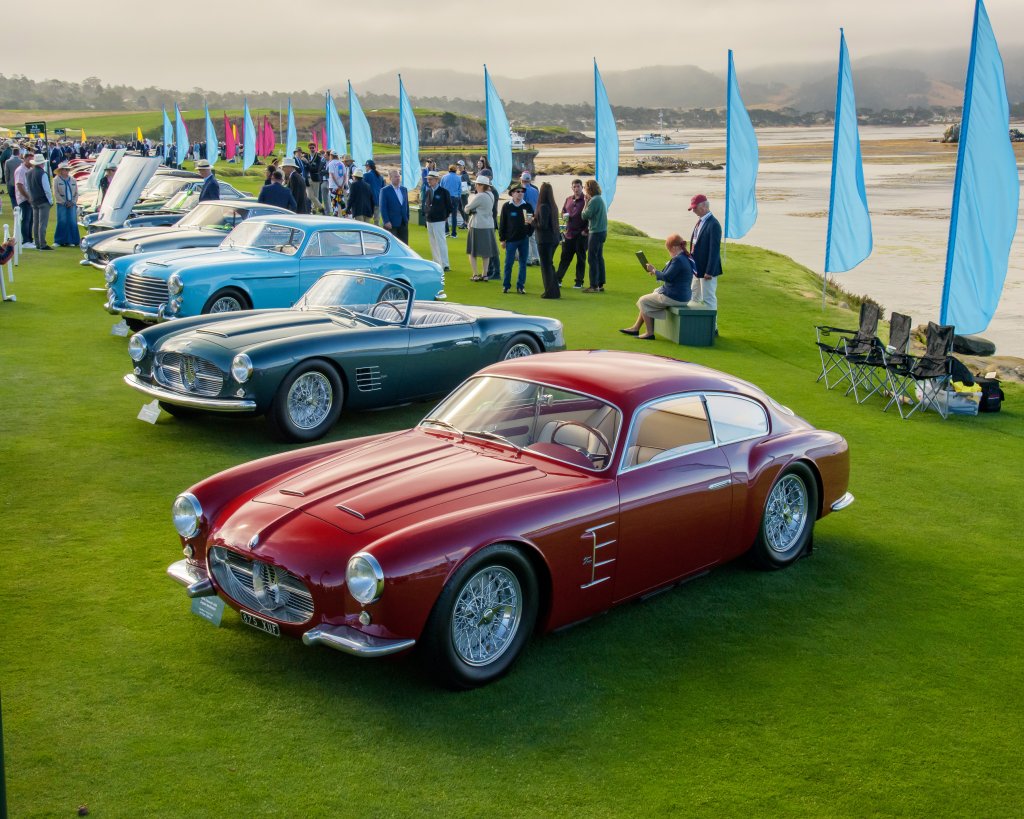
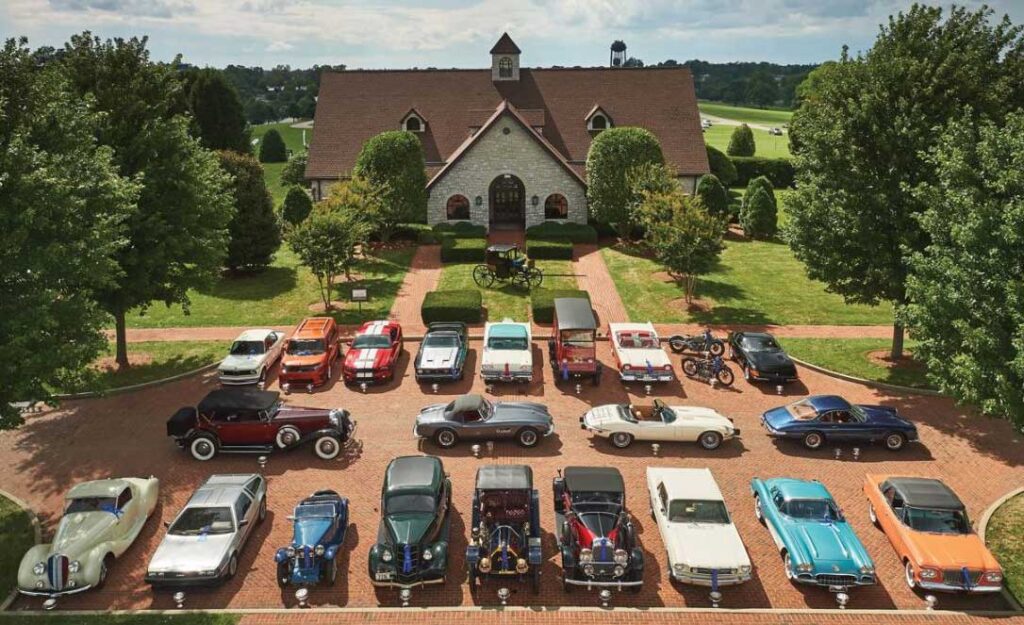
By nine in the morning the cars are already arranged, spaced with a precision that looks incidental until you notice it’s the same precision every year. A pre-war Delahaye sits at a specific angle to catch the light without glare on the judges’ photographs. A row of Ferraris holds a gap wide enough for wheelchairs but narrow enough to keep the sightline tight. Spectators move through in a kind of hush, the way people move through a museum they’ve paid to enter, and nothing about the morning suggests that any of it required a plan.
The lawn looks like it arranged itself. It didn’t.
Someone walked that field with a tape measure the day before. Someone decided where the generator trucks could park without their cables crossing a pedestrian path. None of it shows up in the photographs that circulate afterward, the ones that make a concours look like it simply occurred, the way weather occurs. What actually occurred is a full year of planning compressed into a weekend, carried by people whose names don’t appear on the trophies.
Judging Is Not a Job
Ask a class judge how he got into judging and he’ll usually tell you about a car, not a career. Concours judging isn’t a paid profession. It’s a volunteer role filled almost entirely by restorers, marque historians, and retired engineers who know a matching-numbers block on sight and can spot a repainted panel from six feet in bad light. They give up the weekend, cover their own travel in most cases, and accept an assignment that will occasionally put them in direct conflict with an owner who has spent seven figures and does not agree with the score.
The expertise required to do this well takes decades to build and is handed over for nothing beyond a parking pass and a lunch voucher. A judge specializing in prewar coachwork might be one of eleven people in the country qualified to authenticate a particular body style, and the event depends on him being willing to spend a Saturday doing it without pay. Disputes happen, sometimes publicly, and the judge absorbs that too, since the alternative is a scoring system nobody trusts.
Nobody pays a man to know a matching-numbers block on sight. He just does.
What holds the judging corps together isn’t compensation. It’s a kind of professional obligation to a field that would otherwise have no external check on authenticity at all. Without volunteer judges willing to put a reputation on the line, provenance becomes whatever an owner claims it is.
What the Town Actually Absorbs
Host a concours in a small town and the town does not experience it as a car show. It experiences it as a temporary redirection of every department it has. The police department reassigns patrol routes and pulls in overtime for road closures that can run three days once staging and teardown are counted. Public works reroutes waste collection around streets that are suddenly one-way. The local hospital, in towns small enough to have just one, briefs its emergency staff on the increase in foot traffic and the statistical bump in cardiac calls that comes with an older, wealthier crowd walking unfamiliar terrain in July heat.
None of this is optional and none of it is billed back to the event in full. Insurance riders get negotiated between the organizing committee and the municipality, and in most cases the town is covering a gap it never discusses publicly, because publicizing the gap undermines the argument for hosting again next year. A parks department that spends its whole budget on turf maintenance for one weekend a year isn’t in the marketing materials either, but the grass has to survive four days of foot and tire traffic and still look photogenic in May.
The town absorbs the weekend so the weekend can look effortless.
Volunteers fill in what the town’s departments can’t stretch to cover: parking marshals, shuttle drivers, the people staffing a first aid tent who are trained but unpaid. A concours weekend runs on borrowed hours from people who have no financial stake in whether it succeeds.
The Revenue Everyone Assumes and Nobody Confirms
The case for hosting always leans on the same number: visitors will fill hotels, restaurants, and gas stations, and the town will come out ahead. It’s a reasonable argument and it’s rarely checked against what the weekend actually cost to run. Most host committees don’t conduct a formal reconciliation of net economic impact against municipal expenditure, because the organizations that benefit from the event continuing have little incentive to produce a number that might complicate the invitation next year.
What’s easier to track is the asymmetry in who receives the upside. Hotels and restaurants see real revenue. The police overtime budget, the parks department turf costs, and the volunteer hours don’t show up anywhere as an offsetting line item, because they were never treated as a cost in the first place. They were treated as a service the community provides, the same way it provides sidewalks. A weekend that looks like clear economic win for the town is, on closer inspection, a transfer: private and hospitality-sector gain, funded partly by public departments and mostly by unpaid labor.

Why the Volunteers Come Back
None of this explains why the same volunteers show up every year, often for events that have grown larger and more demanding than the ones they first signed up for decades earlier. The honest answer isn’t civic pride, exactly, and it isn’t nostalgia either. It’s closer to a sense of custody. The people who judge, marshal, and staff these weekends tend to talk about the cars the way a conservator talks about an archive: not as objects to admire but as a record that only survives if someone maintains the standard for what counts as real.
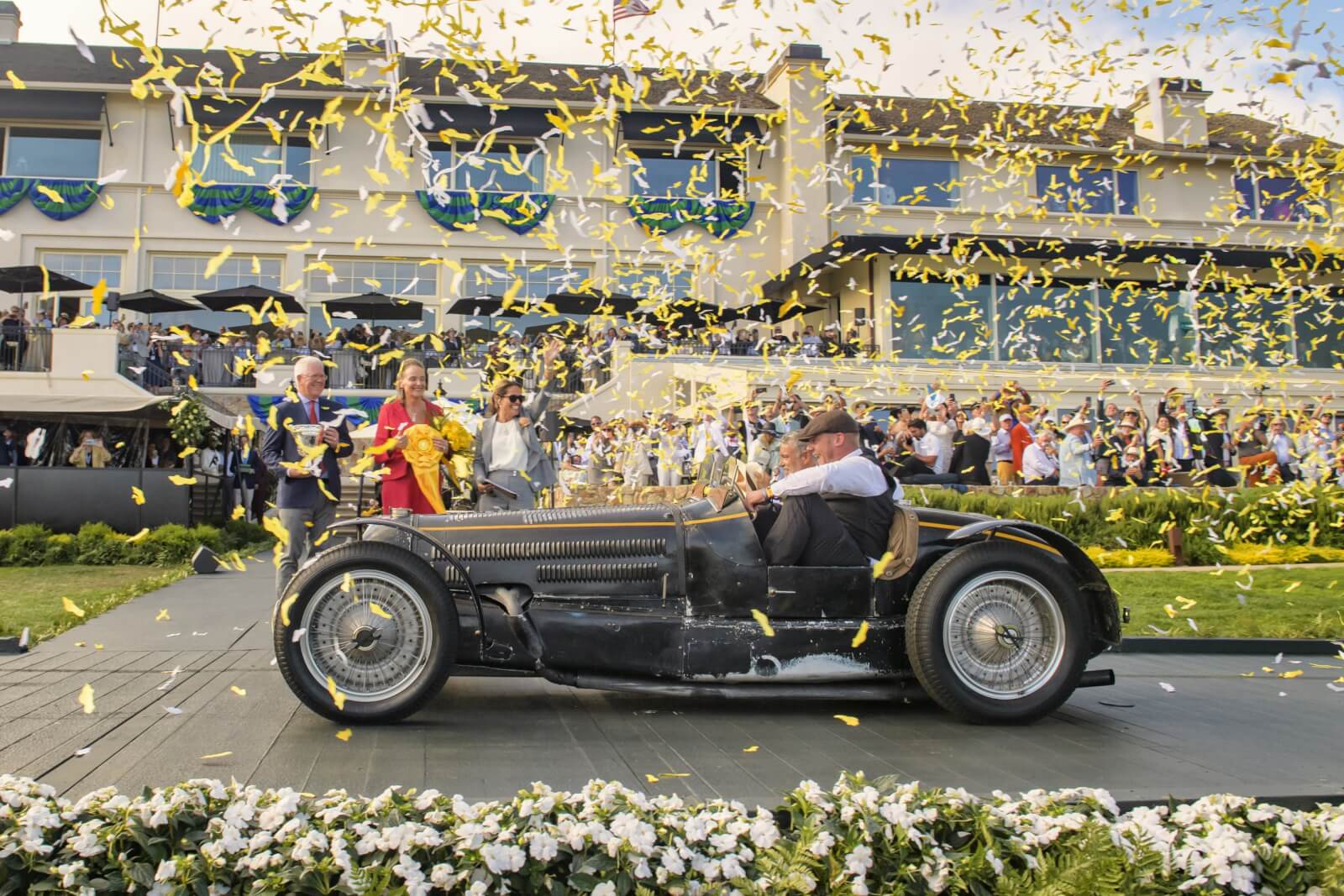
A volunteer judge doesn’t think of the coachbuilt Bugatti in front of him as a curiosity from another era. He thinks of it as evidence, and his job is to certify that the evidence hasn’t been altered. That’s not sentiment. It’s a form of stewardship that has nothing to do with the weekend’s spectacle and everything to do with what happens to the record once the spectacle ends. The lawn empties by Sunday evening. The judges go home un-thanked in any way that shows up on a balance sheet, and they’ll be back again next year, because somebody has to be.
The Paddock | Vitesse