The starting grid of a modern Grand Prix is less a sporting arena and more a claustrophobic circus. For an hour before the formation lap, the asphalt is choked with journalists, VIPs, mechanics, and team principals. Cameras get shoved into faces. Microphones capture half-hearted platitudes about strategy and track conditions. The driver sits in the middle of it all, strapped into a carbon fiber tub, surrounded by the overwhelming noise of human anticipation.
Then the three-minute warning sounds.
The shift is immediate and physical. Mechanics pull the tire blankets and step away from the chassis. The umbilical cords of laptops and cooling fans detach. When the driver finally snaps the visor down, the external world is severed. The shouts of the crowd are replaced by the singular, vibrating thrum of an engine bolted directly behind their spine. The outlap begins here, in this sudden, solitary confinement. It’s the exact moment the spectacle ends and the execution begins.
It’s the exact moment the spectacle ends and the execution begins.
The Architecture of Heat
A prototype racing car isn’t designed to travel slowly. It’s a machine built strictly for the absolute limits of physics, and when operated below those limits, it’s remarkably fragile and uncooperative. Cold carbon ceramic brakes offer virtually no stopping power. Rubber compounds below their operating temperature feel less like tires and more like molded plastic.
The outlap is a violent exercise in building temperature. The driver weaves aggressively across the width of the track, scrubbing the surface of the tires to generate friction. They accelerate hard and drag the brake pedal simultaneously, forcing kinetic energy into the carbon discs to push them toward their thousand degree operating window. From the grandstands, it looks like erratic swerving. Inside the cockpit, it’s a precise calculation. Drive slowly enough to survive without losing the car into a wall, but aggressively enough to prepare the machine for the violence of turn one. Miss the temperature window by just a few degrees, and the car will simply refuse to turn when the lights go out.
The Ghost in the Radio
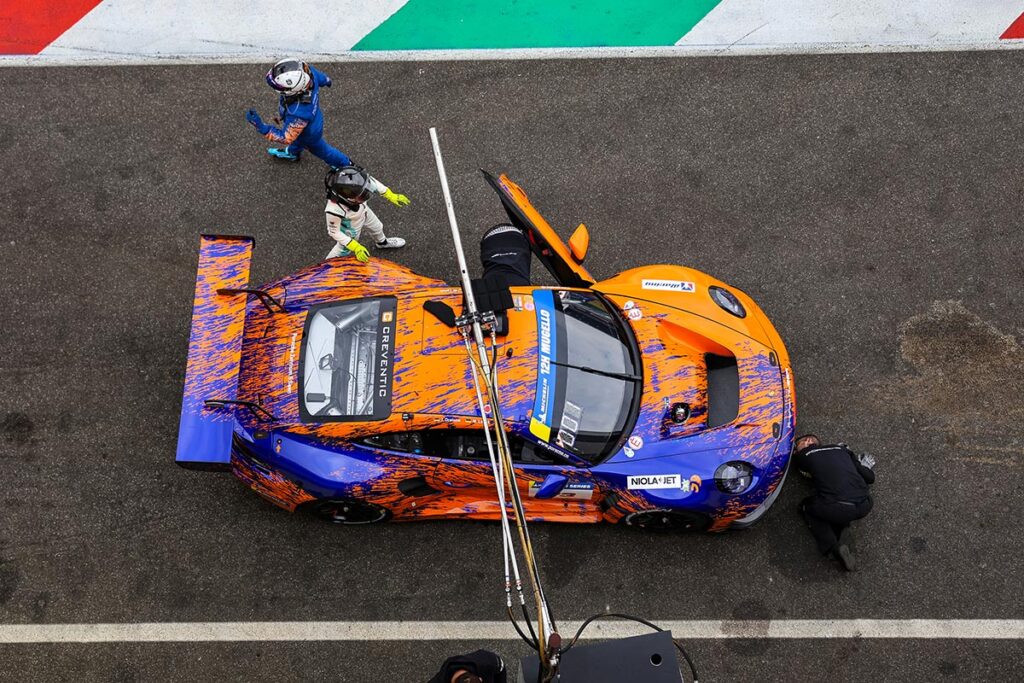
During this solitary lap, the driver isn’t entirely alone. The race engineer remains connected through the earpiece, a disembodied tether to the pit wall. The communication is stripped of all emotion. Clinical delivery of numbers, temperatures, track conditions. Wind direction changes, clutch bite point adjustments, the exact thermal state of the front left tire.
The driver has to listen to this constant stream of data and instantly translate it into physical action. A warning about rear tire temperatures can’t just be acknowledged. It has to change the way the driver applies the throttle out of the final corner. The numbers read over the radio have to become a feeling in the fingertips and the base of the spine.
The engineer has the perfect view of the car through telemetry, but they can’t feel the grip. The driver can feel the grip, but they’re relying on the engineer to tell them what the data says they should be feeling.
The tension in this exchange lives in the translation. The driver has to trust the ghost in the radio completely before handing the car over to their own instincts.
What a Missed Window Costs
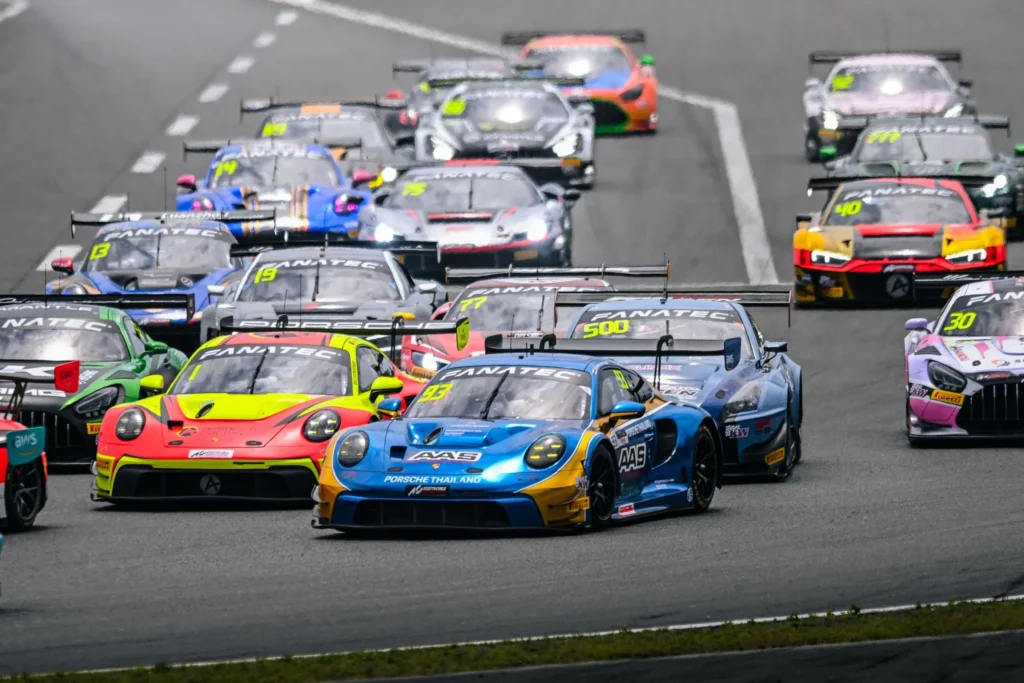
The margin for error here is thinner than it looks from outside the sport. A tire that lands even a few degrees below its working range doesn’t announce the deficit. It simply behaves differently the instant load is applied, and by the time that difference is felt through the wheel, the car is already committed to the corner.
This is where the outlap stops being preparation and becomes consequence. A driver who leaves the grid with cold rear tires will find the car stepping sideways under acceleration, not because of a mistake in the moment but because of temperature that was never built in the two minutes before the lights went out. Understeer through turn one follows the same logic in the front axle, a car that won’t rotate because the compound hasn’t reached the state the mechanical grip depends on. Neither failure looks dramatic on television. It looks like a driver getting swallowed by the pack, losing four or five positions in the space of a single corner, and never quite recovering the track position for the rest of the afternoon.
None of this shows up in a highlight reel. There’s no crash, no smoke, no red flag. There’s only a grid position that should have held and didn’t, and a strategist back on the pit wall recalculating a race plan built around track position that no longer exists. The outlap doesn’t just prepare the car. It sets the terms the rest of the race will be negotiated under, whether anyone watching realizes it or not.
The Alignment
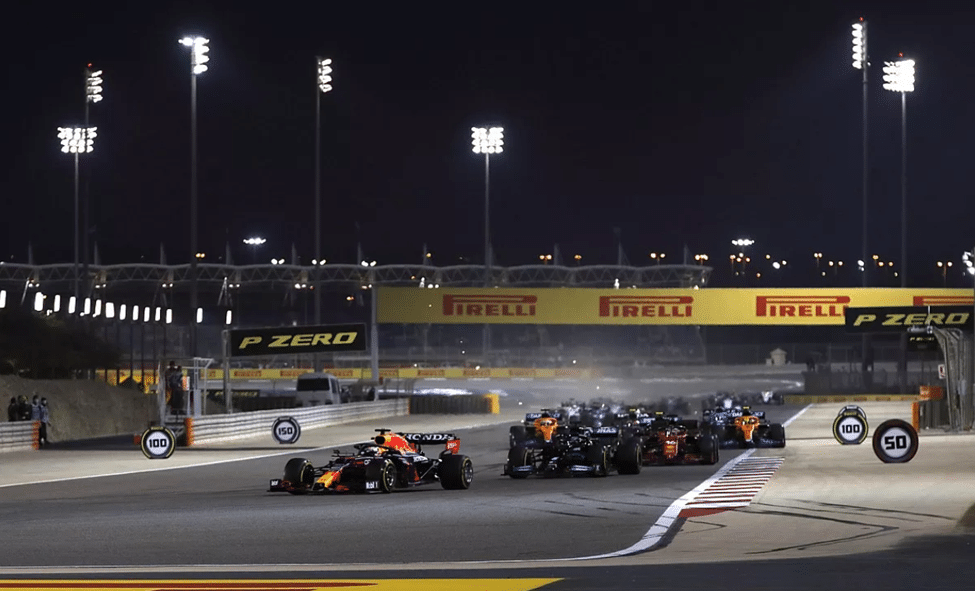
The final corner of the outlap brings the grid back into view. The grandstands are a blur of color, but the driver’s focus narrows entirely to a single painted box on the asphalt. The car creeps forward, the engine note dropping to a low, restless idle. Slotting into the grid position is an agonizingly slow process. Once the car is placed on the yellow line, the driver pulls the clutch paddle and waits.
This wait can last anywhere from thirty to sixty seconds as the backmarkers form up at the rear of the field. Engine temperatures begin to spike without airflow. The meticulously built heat in the tires slowly bleeds away into the cold track. In this stillness, a final realization settles over the cockpit. The strategy meetings are over. The telemetry no longer matters. Every variable that could be controlled has been accounted for, and now control itself is slipping away.
As the red lights illuminate one by one, the driver stops thinking. The conscious mind turns off, leaving only pure reaction to govern the plunge toward the first corner.
The Grid | Vitesse