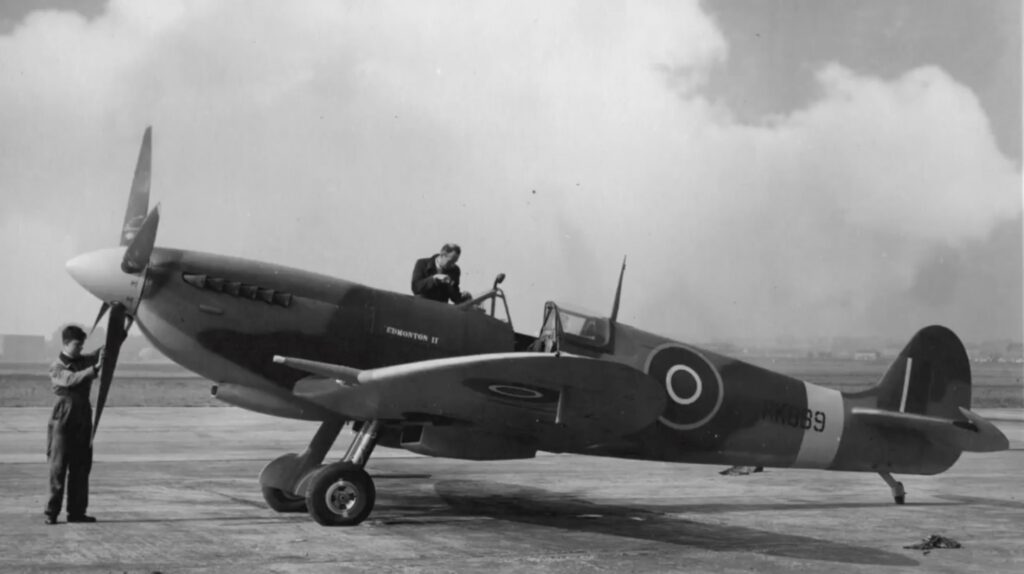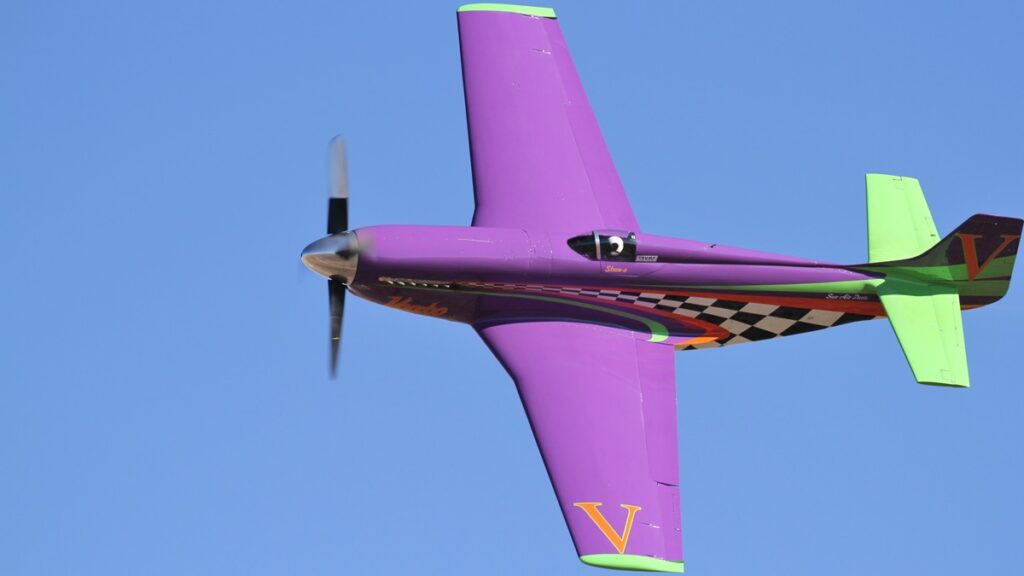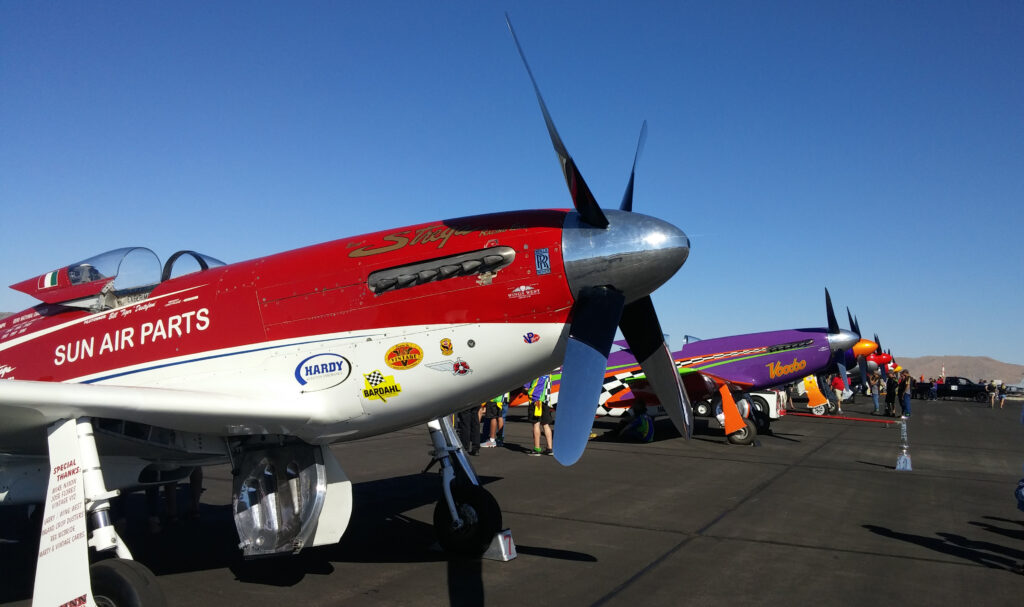
Look at an F-16 from the side and something feels off before you can name it. The proportions don’t sit the way a passenger jet’s do. The nose is short, the wings are far forward, and the whole airframe seems to lean into a turn it isn’t even making yet. Pilots who’ve flown both describe the sensation the same way. An airliner feels like it wants to fly. A fighter feels like it wants to go somewhere else entirely, and something is stopping it, moment to moment, from doing exactly that.
That feeling is correct. It’s also the point.
The Shape That Shouldn’t Fly
Aircraft designers spent the first several decades of powered flight solving for a single problem: keep the airplane wanting to fly straight and level, so a distracted or exhausted pilot could relax the controls and the aircraft would settle itself back into safe flight. Every commercial jet still works this way. Let go of the yoke on a 737 in level cruise and the airplane, on its own, tends to return there.
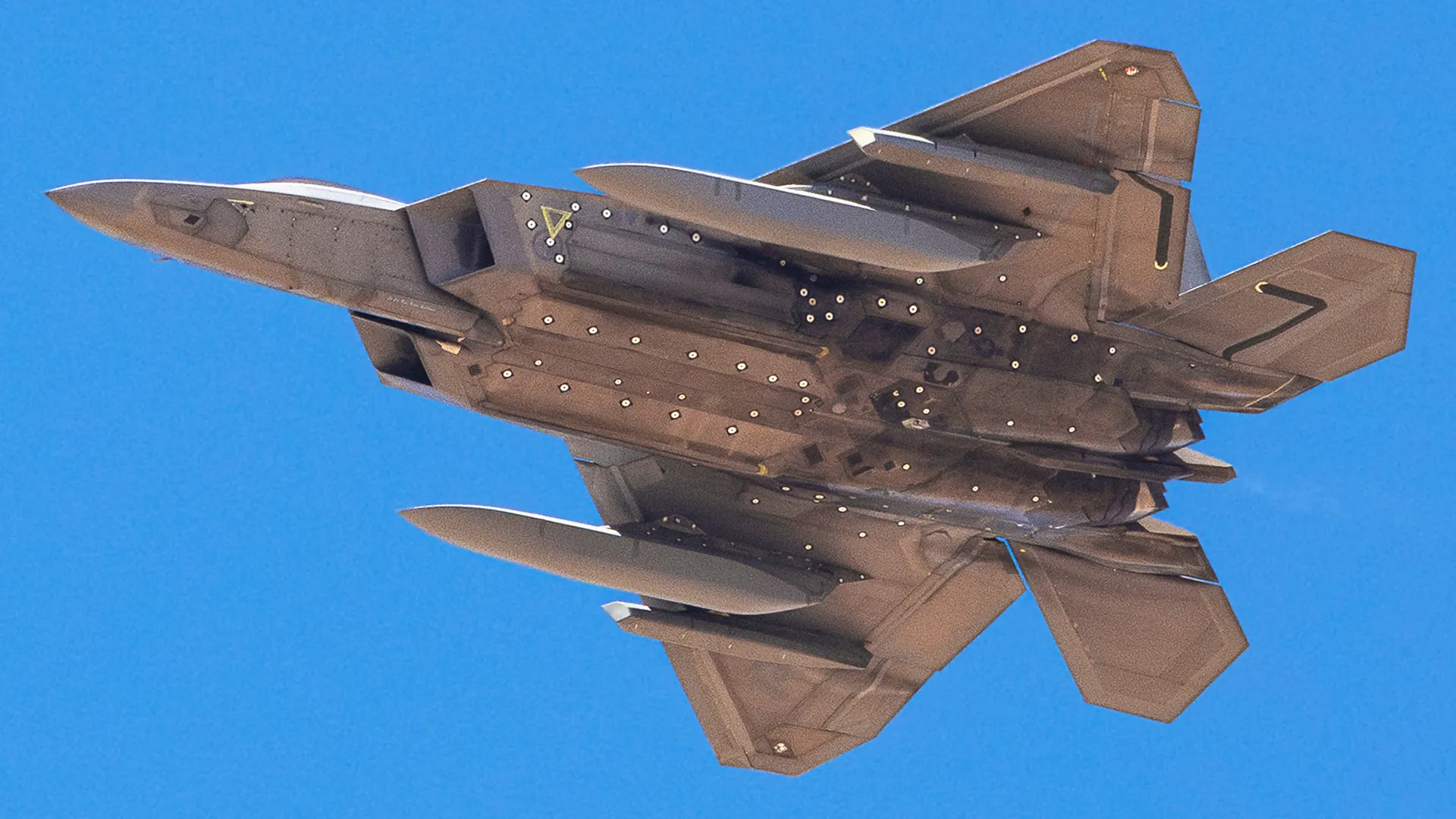
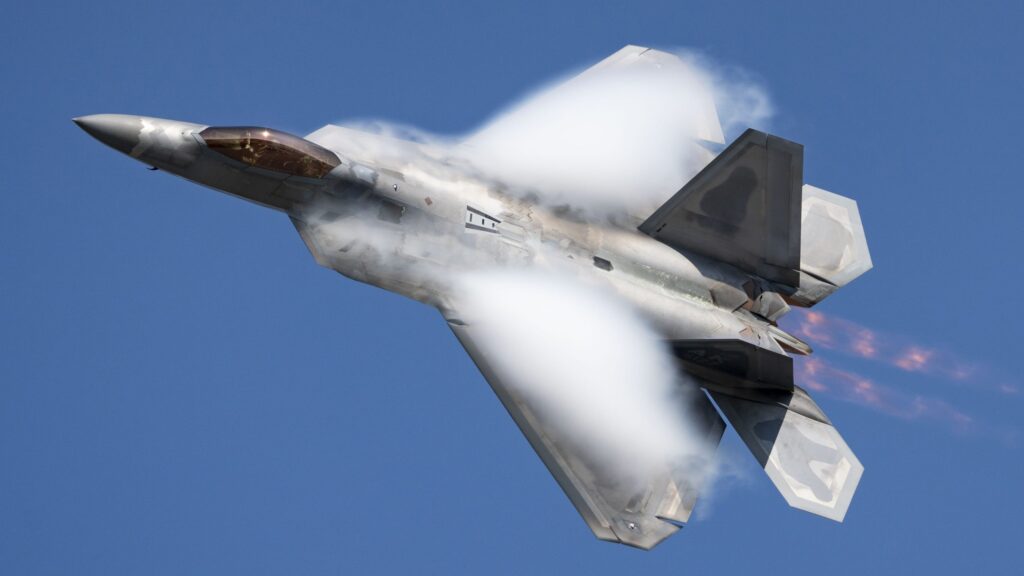
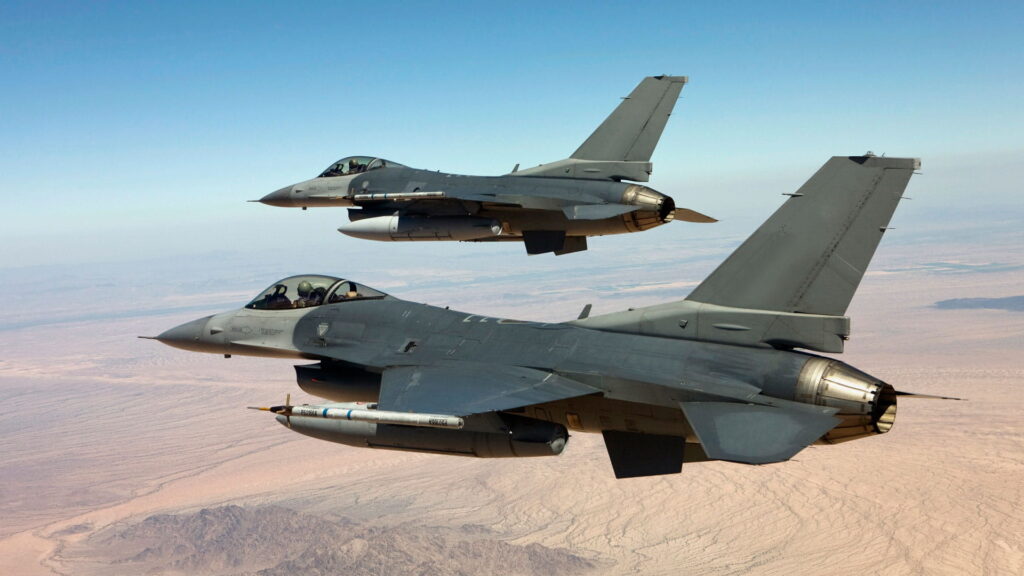
A modern fighter throws that assumption out. The airframe of an F-16 or an F-22 isn’t hunting for level flight. Left alone, it will happily diverge from it, and diverge quickly. The geometry that looks wrong from the ramp is wrong on purpose, engineered that way by people who understood exactly what they were giving up.
What Stability Actually Buys You
The concept underneath all of this is static stability, and it comes down to where two points sit relative to each other: the center of gravity, and the center of lift, the point where the aggregate force of air pressure effectively pushes on the wing. When the center of gravity sits ahead of the center of lift, the aircraft is stable. Disturb it and it wants to return to where it started, the way a pendulum swings back to center.
That self-correcting tendency is exactly what an airliner needs and exactly what a fighter can’t afford. Stability resists change, and a fighter’s entire job is changing direction faster than an opponent can track. An airplane that wants to stay level is an airplane that resists the pilot every time they ask it to snap into a turn. In air combat, that resistance costs the half second that ends the engagement badly.
The Trade Nobody Announces
So designers moved the center of gravity aft, sometimes behind the center of lift entirely, and built what’s called relaxed static stability, or in its more extreme form, negative stability. The aircraft no longer resists directional change. It leans into it. A small control input doesn’t nudge the nose; it commits to the maneuver almost before the pilot finishes asking for it.
This is the same trade The Garage keeps returning to under a different name: a chassis tuned to rotate the instant a driver turns in, rather than sitting flat and resisting weight transfer. The compromise is identical in both machines. You give up the margin that forgives a mistake, and in exchange you get responsiveness that a stable, forgiving design can never produce. Nobody making that trade calls it a flaw. They call it the whole point.
Stability is not a virtue in a fighter. It is drag.
The Computer That Never Blinks
The problem with an airframe that wants to depart from controlled flight is that, left to its own devices, it eventually will. A human pilot cannot correct an unstable aircraft by feel; the divergence happens faster than a hand on the stick can respond. This is why relaxed static stability didn’t become viable until fly-by-wire flight control computers matured enough to fly the correction themselves.
The computer isn’t flying the jet in any romantic sense. It’s sampling the aircraft’s attitude hundreds of times a second and making tiny corrective inputs the pilot never feels, catching the airframe before it wanders somewhere it shouldn’t go. Every one of those corrections is invisible. The pilot experiences an airplane that feels sharp and alive. What’s actually happening underneath is a continuous rescue, repeated so often and so precisely that it stops looking like a rescue at all.
The jet does not want to fly straight. It wants to depart from controlled flight, and it is caught, continuously, before it can.
Lose that correction loop, even briefly, and the aircraft doesn’t gently drift off course the way a stable airplane would. It departs, and it departs fast, because departure was the airframe’s natural tendency the whole time. The system isn’t a convenience layered onto the design. It’s the reason the design is allowed to exist at all.
What the Pilot Actually Trusts
This changes what a fighter pilot’s judgment actually consists of. In a conventionally stable aircraft, a pilot’s instincts and the airplane’s tendencies mostly agree; fly it reasonably and the machine cooperates. In a relaxed-stability fighter, the pilot’s instincts are flying an airplane that would rather be somewhere else, and the only reason that gap never becomes visible is a system working faster than instinct can register.
Pilots training on these aircraft aren’t just learning stick-and-rudder feel. They’re learning to operate an airplane whose safety margin depends on something outside their own reflexes, something they didn’t build and can’t personally verify in the moment they need it most. That’s not a comfortable thing to hand your judgment over to, and it isn’t sold to pilots as comfortable. It’s sold as necessary, because the performance on the other side of that dependence isn’t available any other way.
There’s a version of that dependence that shows up anywhere a person operates right at the edge of what they can personally correct for. Most of the time it stays quiet, unexamined, because the correction happens and nothing goes wrong. It only becomes visible in the moment something almost does.
Built to Almost Fail
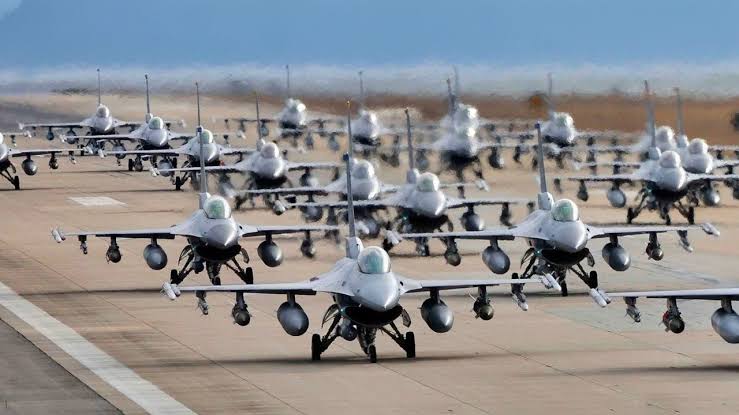
An F-22 sitting on a runway looks finished, resolved, like every design question about it was settled long ago. What it actually represents is a decision to keep one particular question permanently open: how close to the edge of controlled flight can a machine sit and still be trusted with a person inside it. The answer engineers arrived at wasn’t further from the edge. It was closer, on the condition that something faster than the pilot was watching that edge without pause.
The jet was never built to be stable. It was built to be almost unstable, constantly, and to be caught every single time. That’s not a flaw the airframe tolerates. It’s the reason the airframe can do what it does at all.
The Hangar | Vitesse