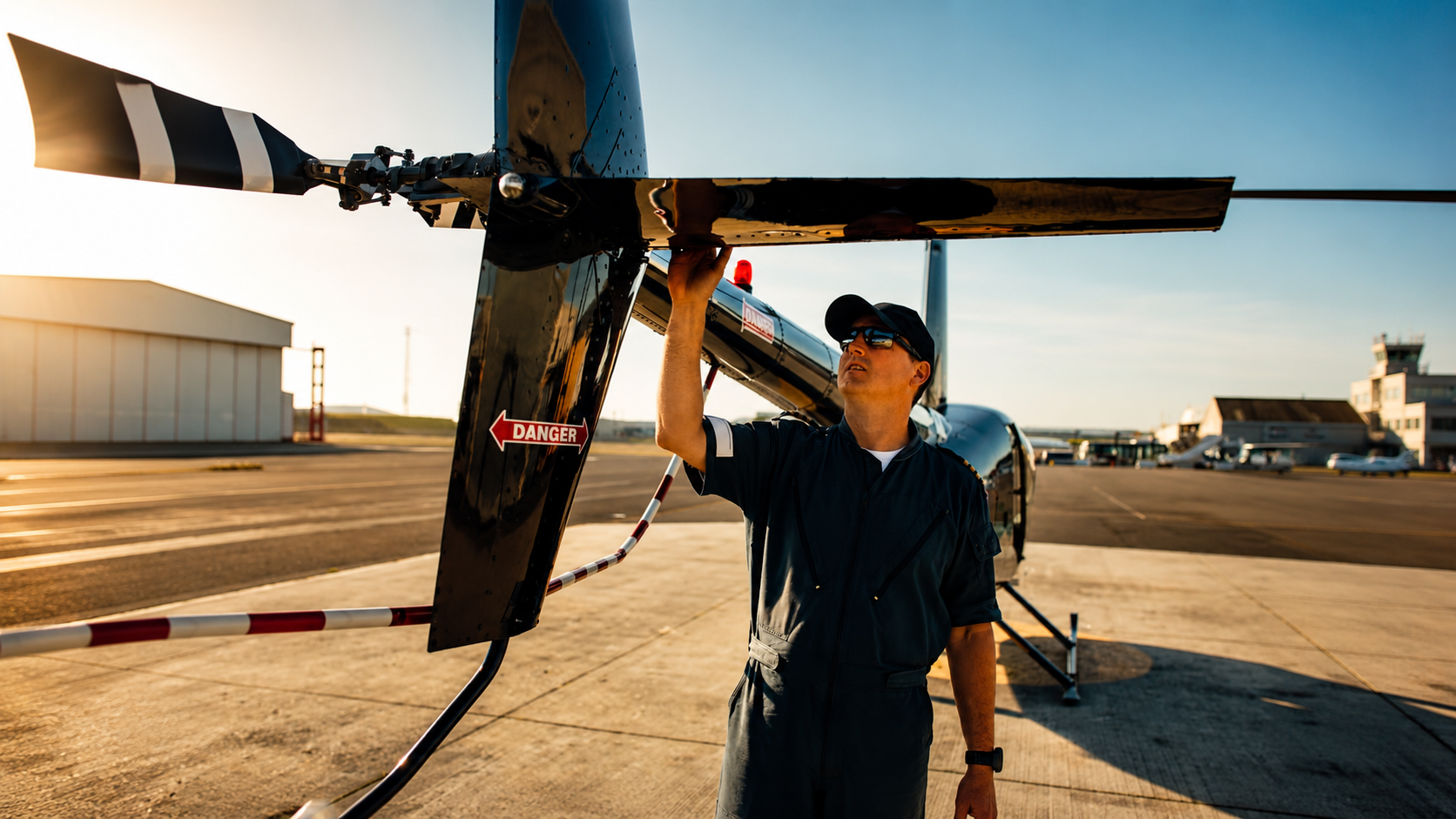
The pilot walks the aircraft before anyone else arrives. Under the wing, along the flap track, past the static wick and the pitot tube, hand grazing the leading edge like the metal might tell him something his eyes missed. Nobody is watching. The tower isn’t logging this. The passengers boarding in forty minutes have no idea this ritual exists, and if it goes well, they never will.
He checks the same fuel sump he checked yesterday, and the day before, on an aircraft that has never once failed this inspection. Statistically, he is checking for something that almost certainly isn’t there. And he does it anyway, slowly, the same way every time, because the walkaround was never really about probability.
What the Checklist Actually Checks
A checklist is supposed to be a hedge against catastrophe. That’s the official explanation, the one printed in the operations manual. But most days, most flights, most checklists are not standing between the pilot and disaster. They’re standing between the pilot and the version of himself that stops caring once nobody is grading the work.
That’s the part the manual doesn’t say out loud. A checklist run at ten percent effort looks identical on paper to one run at full attention, right up until the day it doesn’t. The difference lives somewhere the paperwork can’t reach. It lives in whether the person doing the checking believes the process still matters when the stakes feel invisible.
The checklist isn’t protecting against catastrophe. Most days, it’s protecting against the version of yourself that stops caring once no one is watching
Preparation, it turns out, is never neutral. It’s a record. Every rushed walkaround, every corner cut because nothing bad has happened yet, every extra minute spent double checking something already checked, all of it is telling on the person doing it. Not to an instructor. Not to a logbook. To whoever is paying close enough attention to notice what a person does when no one requires it of them.
Control Wearing the Costume of Diligence
There’s a version of thorough preparation that has nothing to do with excellence and everything to do with fear. It looks the same from a distance, the same checklists, the same repeated inspections, but underneath it is a different engine entirely. It’s the preparation of someone trying to leave nothing to chance because chance feels unbearable. Every contingency accounted for isn’t devotion to the craft. It’s an attempt to make the world small enough to manage.
This isn’t a small distinction, and it deserves more honesty than most people give it. A person can build an entire identity out of being the one who never misses anything, who over-prepares as a way of guaranteeing the outcome, who treats control as something that can be earned through sufficient diligence. It works, for a while. Right up until the moment it doesn’t, because no amount of preparation actually guarantees the outcome. It only ever narrows the odds.
The pilot who understands this doesn’t stop being thorough. He just stops expecting the thoroughness to save him from every possible failure. He does the walkaround because it’s right to do, not because it purchases certainty. That shift, from earning control to simply doing the work well, is quiet, and it’s almost impossible to see from the outside. But it changes everything about what the preparation means.
Excellence pursued to master uncertainty and excellence offered without needing to be seen can look identical from the outside. Only the person doing the work knows which one it is.
The Same Posture, Other Rooms
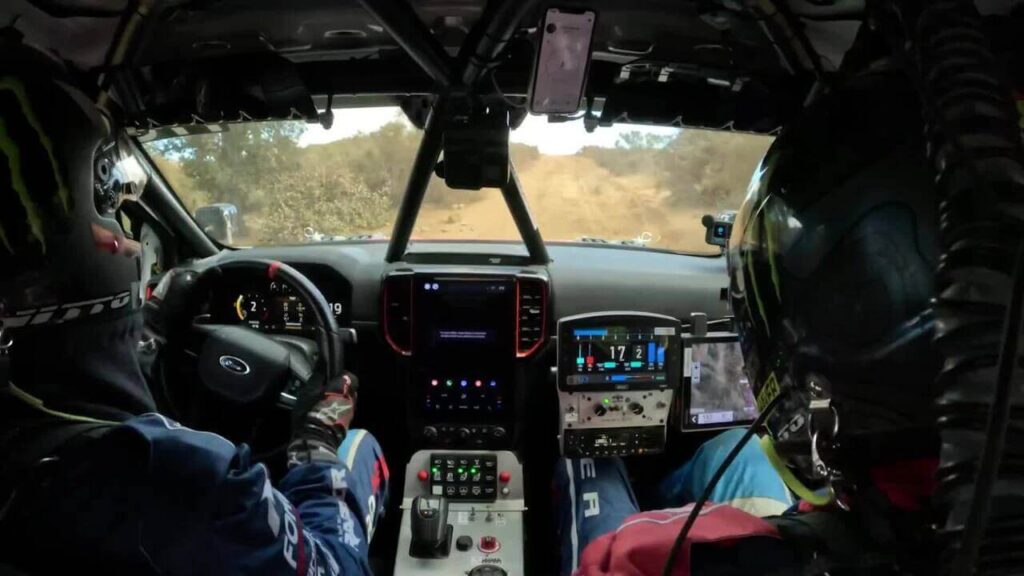
Walk into the paddock two hours before a race and you’ll find the same posture wearing different clothes. A mechanic torquing a wheel nut he’s torqued a thousand times before, checking it twice more anyway, not because he doubts himself but because the habit of care doesn’t ask permission to exist. Nobody films this. It happens under a canopy, before the cameras find anything worth pointing at.
Walk into a garage the night before a car show and it’s there too, in the hours spent on a panel gap nobody will measure, a finish polished past the point anyone will notice under show lighting. The work has already stopped being about the score. It became, somewhere along the way, about whether the person doing it could live with having done it carelessly.
Different disciplines, same question underneath all of them. What does a person do when excellence costs something and nobody is there to see the cost paid.
Preparation as Offering
There’s a way of understanding this that changes the whole shape of the walkaround, the checklist, the extra hour spent on work no one will grade. Preparation done in excellence doesn’t have to be an attempt to master uncertainty. It can be something closer to an offering, work given fully regardless of whether it’s ever seen, rewarded, or even needed.
That distinction matters because it changes what failure means. If preparation exists to earn control, then every unexpected outcome is a referendum on whether enough was done. But if preparation exists as something offered, an act of care given because care is owed, then the outcome stops being the whole verdict. The offering was already complete the moment it was given fully.
Colossians 3:23 puts words to this posture more plainly than most people manage on their own.
“Whatever you do, work heartily, as for the Lord and not for men.”
Not for the tower, not for the grandstand, not for the judges walking the show field with clipboards. The work becomes worth doing in full precisely because it was never really being done for the audience that might or might not show up.
The pilot finishes the walkaround and climbs into the cockpit. Nothing was wrong. Nothing was ever likely to be wrong. But the checking was never really the point, and neither was the certainty it almost provided. What mattered was that the care was real before anyone required it to be, which is the only kind of preparation that means anything at all once the engine starts and the outcome, finally, stops being his to control.
Field Notes | Vitesse