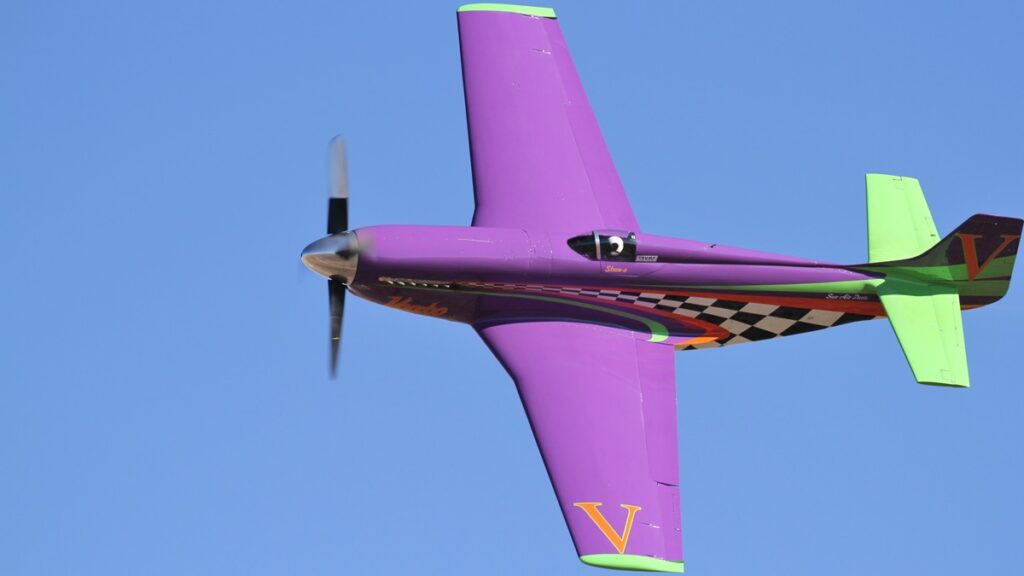
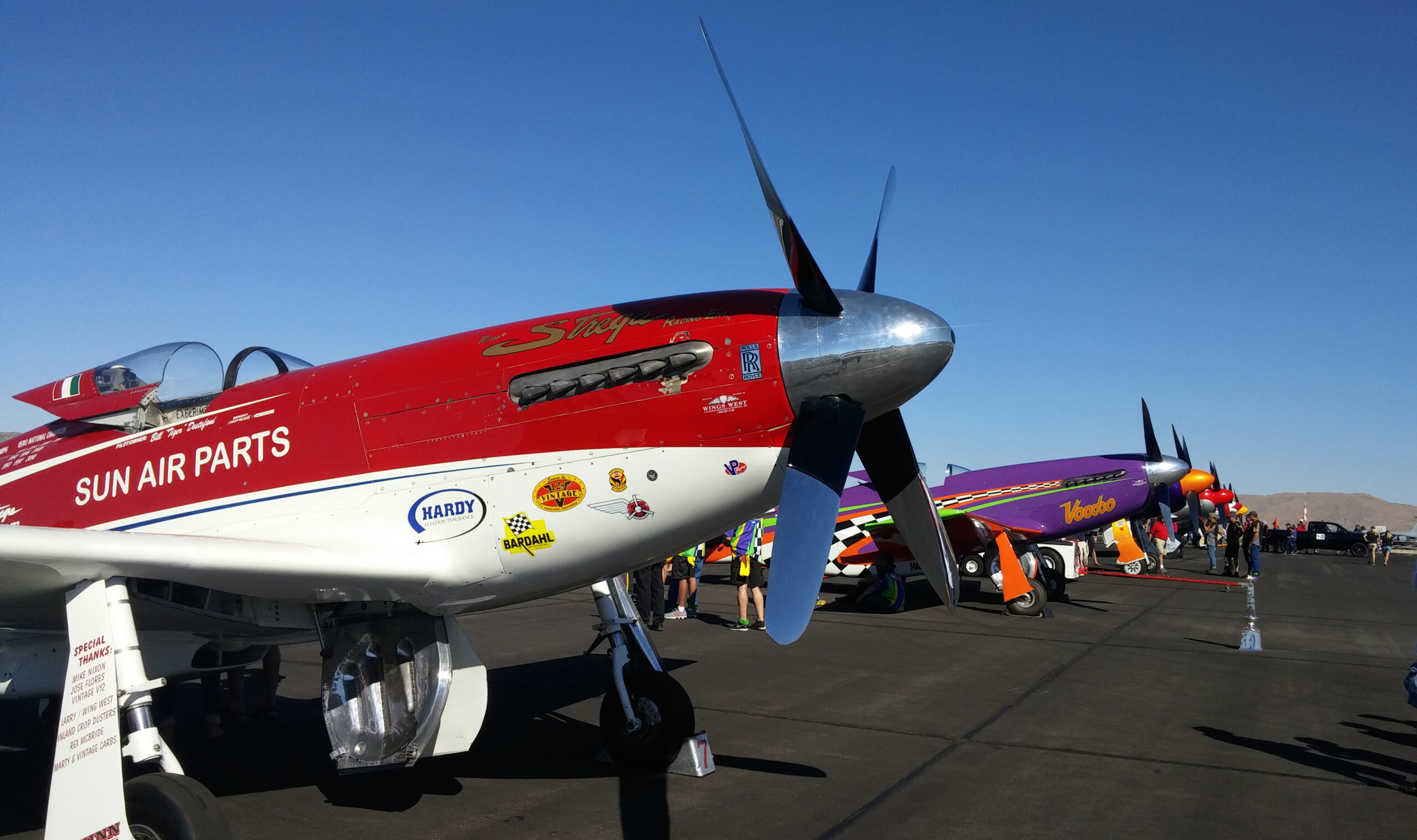
The pylon comes up fast. From the ground at Stead Field, a Gold heat looks less like an air show and more like six aircraft trying to occupy the same six hundred feet of sky, banked hard around a course marked by orange cones the size of a car, low enough that spectators can see the rivets on the wings. The sound arrives before the airplanes do, a rolling wall of modified piston engines that has nothing in common with the polite whine of an airliner. Then they’re past, wingtip to wingtip, and the whole crowd exhales at once.
This is unlimited class racing at the Reno National Championship Air Races, and most people who’ve heard of it think they know what it is. An air show. A curiosity for aviation enthusiasts. A tragic footnote from 2011, when a modified P-51 called the Galloping Ghost crashed into the box seats during a Gold heat, killing the pilot and ten spectators on the ground. That crash is real and it matters, and it’s also the reason most people who’ve never been to Stead Field think Reno is fundamentally an air show that occasionally goes wrong.
It isn’t. It’s a race, and treating it as one is the only way to actually understand what’s happening at that pylon.
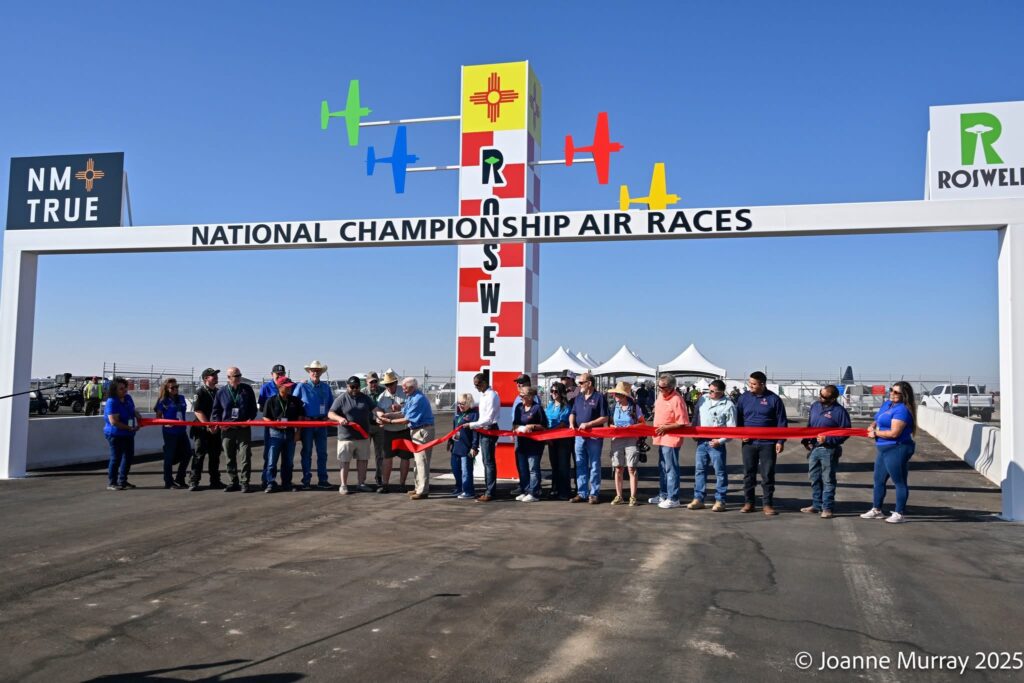
An Airframe That Forgot Its Original Job
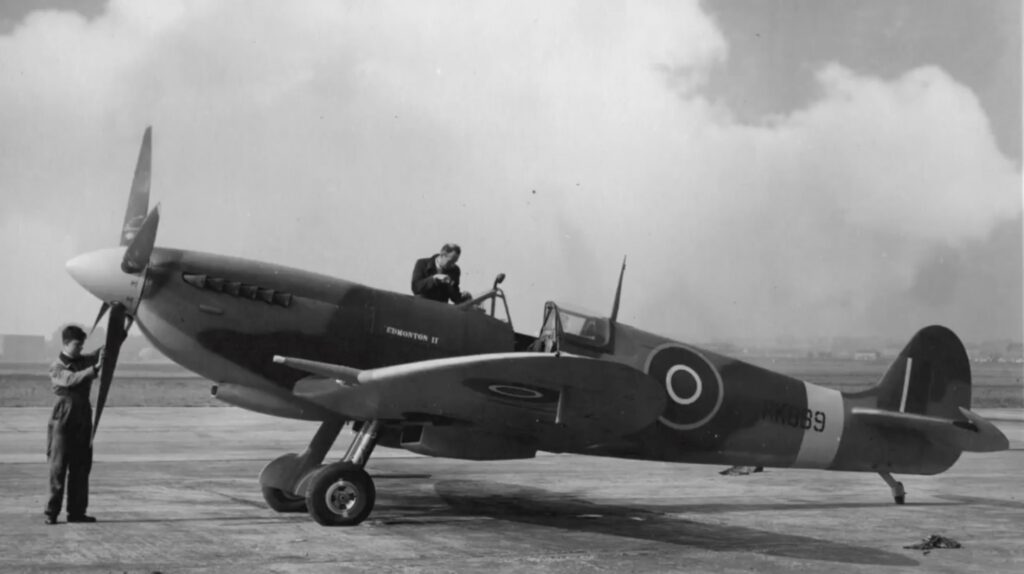
Unlimited class aircraft are almost all built from the same two airframes: the North American P-51 Mustang and the Hawker Sea Fury, both designed in the 1940s to do a job that had nothing to do with racing. Those airframes came with power ceilings set by wartime engineering, cooling requirements set by combat altitude, and structural margins set by the assumption that a pilot might need to survive a few hard maneuvers, not hold a sustained six-G turn at treetop height for lap after lap.
Unlimited class teams have spent decades erasing every one of those assumptions. Wings get clipped to reduce drag and improve roll rate. Merlin and Griffon engines get bored, stroked, and pressurized well past their original military output, sometimes doubling the horsepower they left the factory with. Cooling systems become their own engineering discipline, because an engine making twice its designed power sheds heat at a rate the original radiator was never asked to handle. Every change is a trade-off in the same sense a Garage feature would recognize: more power costs cooling margin, less drag costs structural redundancy, and the team that wins is the team that made the fewest wrong trades.
What makes this different from an F1 power unit or a Type R chassis is the starting point. A racing team building a modern car begins with a blank sheet designed for the job. An unlimited class team begins with an eighty-year-old airframe whose margins were already spent on a different war, and builds racing performance into the gaps that are left.
The airframe still thinks it’s 1944. The engine does not.
The Math Nobody Says Out Loud
Reno’s fatality rate is not a secret, and it is not close to any other sanctioned motorsport still operating today. Pilots have died at the event across multiple decades, and the 2011 Galloping Ghost crash, which killed spectators as well as the pilot, remains the deadliest accident connected to a modern American motorsport. Formula One responded to Imola in 1994 with a decade of structural, regulatory, and cultural change that fundamentally altered what the sport tolerates. NASCAR responded to Dale Earnhardt’s death in 2001 the same way. Reno has not undergone an equivalent transformation, and it is worth asking why.
Part of the answer is scale. Unlimited class racing draws a fraction of the audience and a fraction of the sponsorship money that funds those other overhauls. But part of the answer is cultural, and more honest. The people who fly at Reno have made a collective decision that this is what unlimited racing costs, and they have kept flying anyway. That is not a regulatory failure so much as a line the sport has drawn for itself, in a way most other motorsports were eventually forced to redraw from the outside.
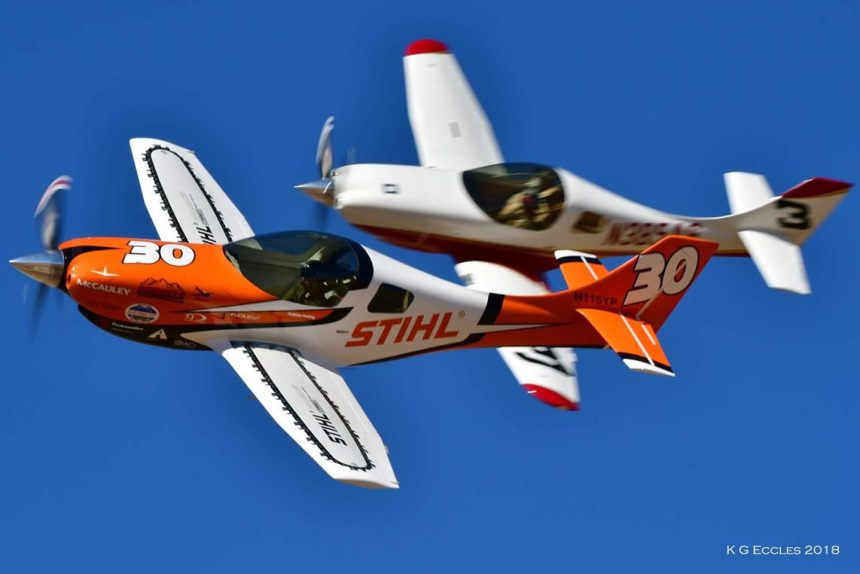
Judgment With No Margin
A race car driver who loses the car has options a pilot at three hundred feet does not. There is a wall, and there is often a runoff area, and there is almost always a car behind that can be avoided by inches instead of feet. A pilot flying an unlimited class airframe around a pylon has none of that geometry available. The margin between a clean pass and a structural failure is measured in a few knots of airspeed and a few degrees of bank, and the decision to hold that line or back off has to happen without the luxury of a second look.
Unlimited class pilots talk about this in strikingly unsentimental terms when they talk about it at all, which is not often. The job is to fly the airplane exactly as fast as it can go without asking it a question it can’t answer, and to know the difference between the two in real time, at a speed where real time barely exists. It’s a different discipline than what a Grid feature would describe in a driver managing tire degradation over a stint. There is no degradation curve to manage here. There is only the airplane, doing exactly what its modifications allow, for as long as the pilot keeps every input correct.
A driver who loses the car has options. A pilot at three hundred feet has a decision.
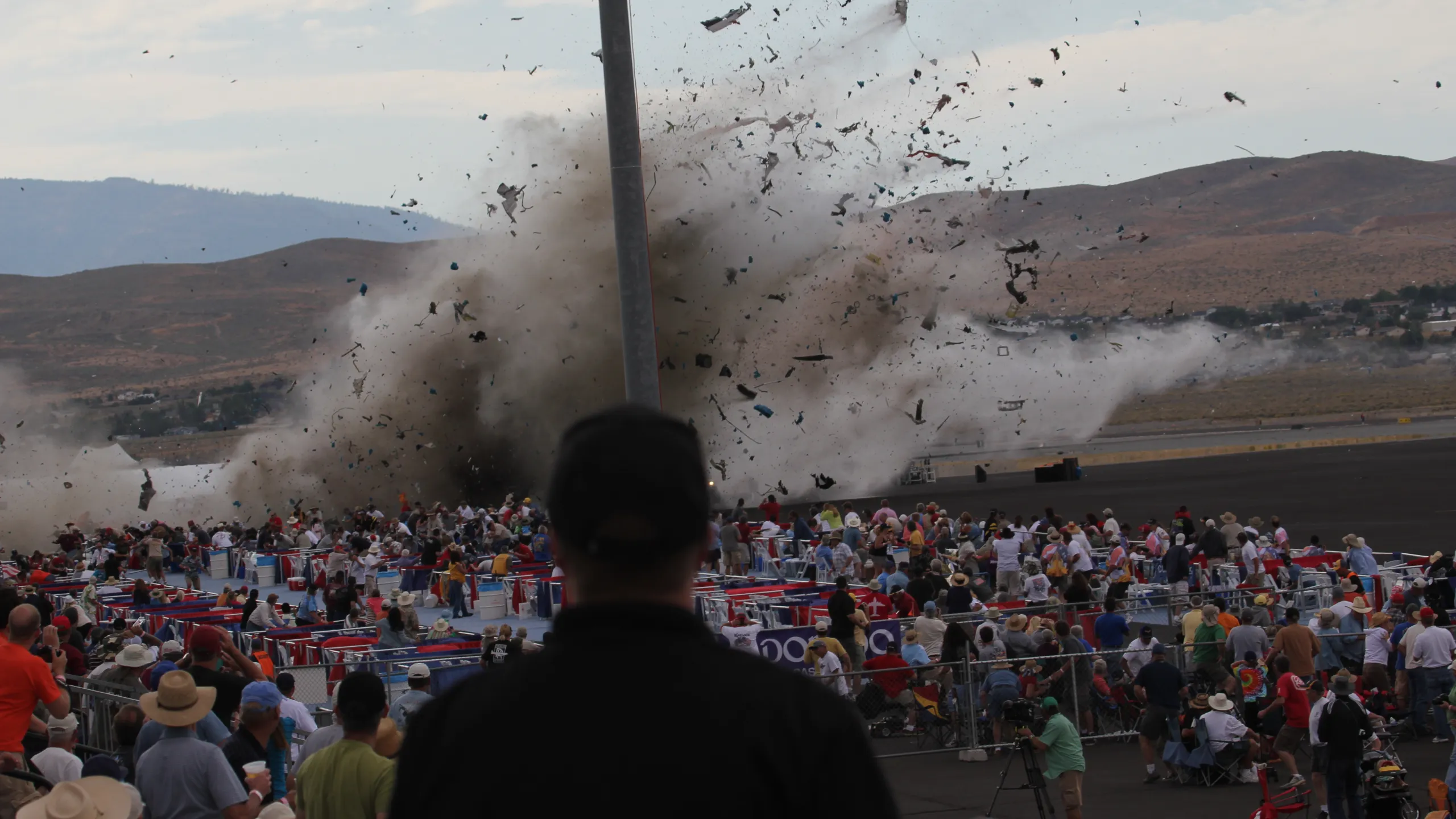
What the Course Doesn’t Forgive
Stand at the fence long enough and the spectacle stops being the point. What’s actually in front of you is trust, extended toward a machine that has been pushed well past what its original engineers ever signed off on, by a person who has decided that trust is worth the risk of being wrong exactly once. Nobody at Reno is naive about what that risk means. The sport has buried pilots because of it, and spectators too, and it keeps flying anyway, because the alternative is an airplane that never finds out what it’s actually capable of.
There’s a particular kind of honesty in that. Most of the modern world is built to remove exactly this kind of exposure, to add the runoff area, the redundant system, the margin for error that lets a mistake become a lesson instead of an ending. Reno keeps almost none of that. What’s left is a pilot and an airframe and a decision that has to be right the first time, every time, with nothing behind it to catch what goes wrong. It asks something of a person that very little else does anymore, and it does not pretend otherwise.
The Hangar | Vitesse